A public toilet can look like a small amenity on a city map. In practice, its presence shapes whether many people can take a long trip, spend time in a park, use transit or work through a shift away from a private building.
Access affects everyone, but it is especially important for children, older adults, pregnant people and people with disabilities or health conditions.
Access determines the usable city
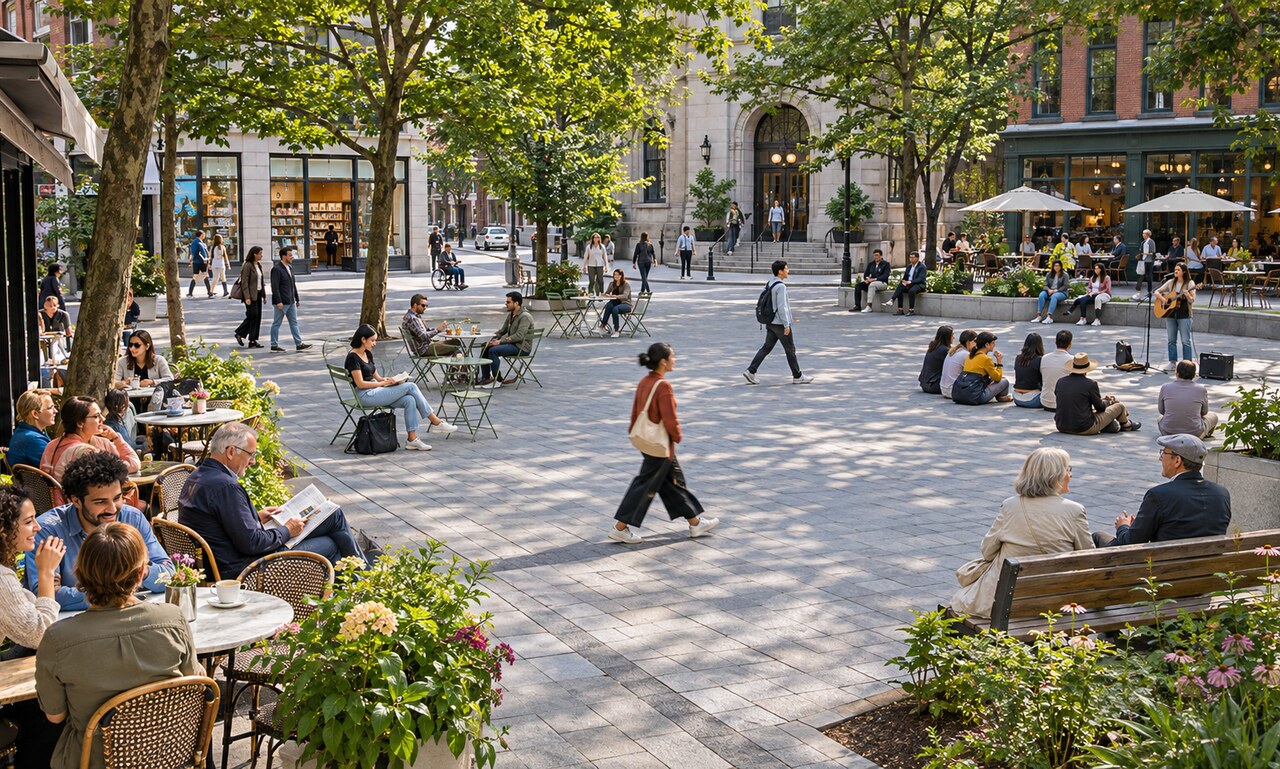
A plaza may be beautifully designed, yet difficult to enjoy if the nearest toilet requires a purchase or a long walk. Reliable facilities extend the amount of time people can spend outside the home and reduce dependence on private businesses.
They also serve delivery workers, drivers, street vendors, tourists and people without stable housing. These groups move through the same public realm but do not have equal access to staff washrooms or nearby homes.
Good facilities need more than a door
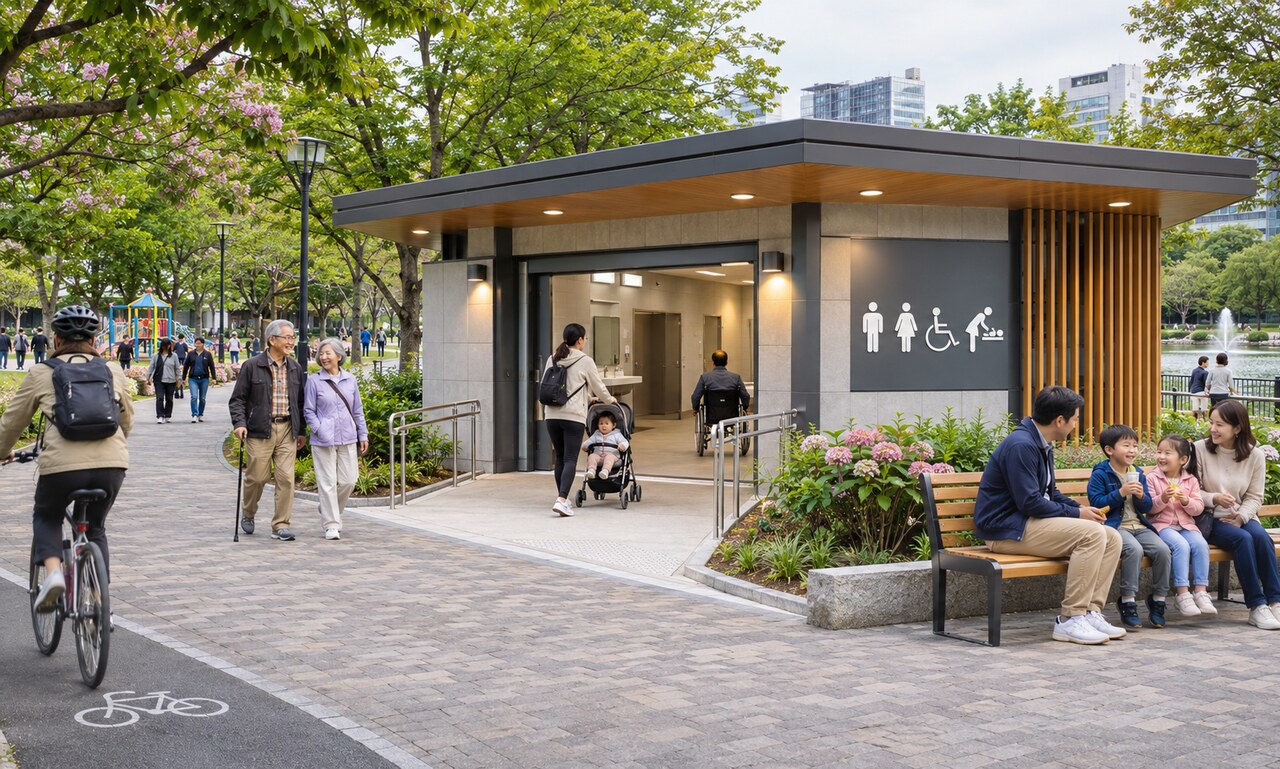
Location, opening hours and signs all matter. A facility that is hidden, unexpectedly locked or absent from wayfinding cannot reliably support a journey. Step-free routes, enough turning space, reachable fixtures and clear visual contrast make access real rather than nominal.
Family-friendly layouts and gender-inclusive options can help more people use the space safely and comfortably. Thoughtful lighting and sightlines improve confidence without removing privacy.
Maintenance is part of the design
Durable surfaces, working locks, water, soap, waste bins and regular cleaning determine whether a toilet remains usable. Cities sometimes treat vandalism as a reason to provide fewer facilities, but a neglected building is more likely to fail. Clear responsibility, frequent checks and a way to report problems are basic operating infrastructure.
Staffed facilities may make sense in busy locations, while simpler automated units can extend coverage elsewhere. No single model suits every site.
Dignity and public health meet
Safe sanitation protects waterways and public spaces, but the case is also about dignity. People should not have to disclose a medical need, make a purchase or plan an entire day around the absence of a basic service.
Public toilets work much like benches, drinking fountains and shelters: they make shared space genuinely usable. When they are clean, accessible and predictable, they widen participation in city life and quietly make every other public investment work better.
READ NEXT