A public square can be beautifully paved and still feel empty. Open space alone does not create public life. Activity grows when the square connects ordinary movement with comfortable places to pause, watch and meet.
Edges give the center a reason to exist
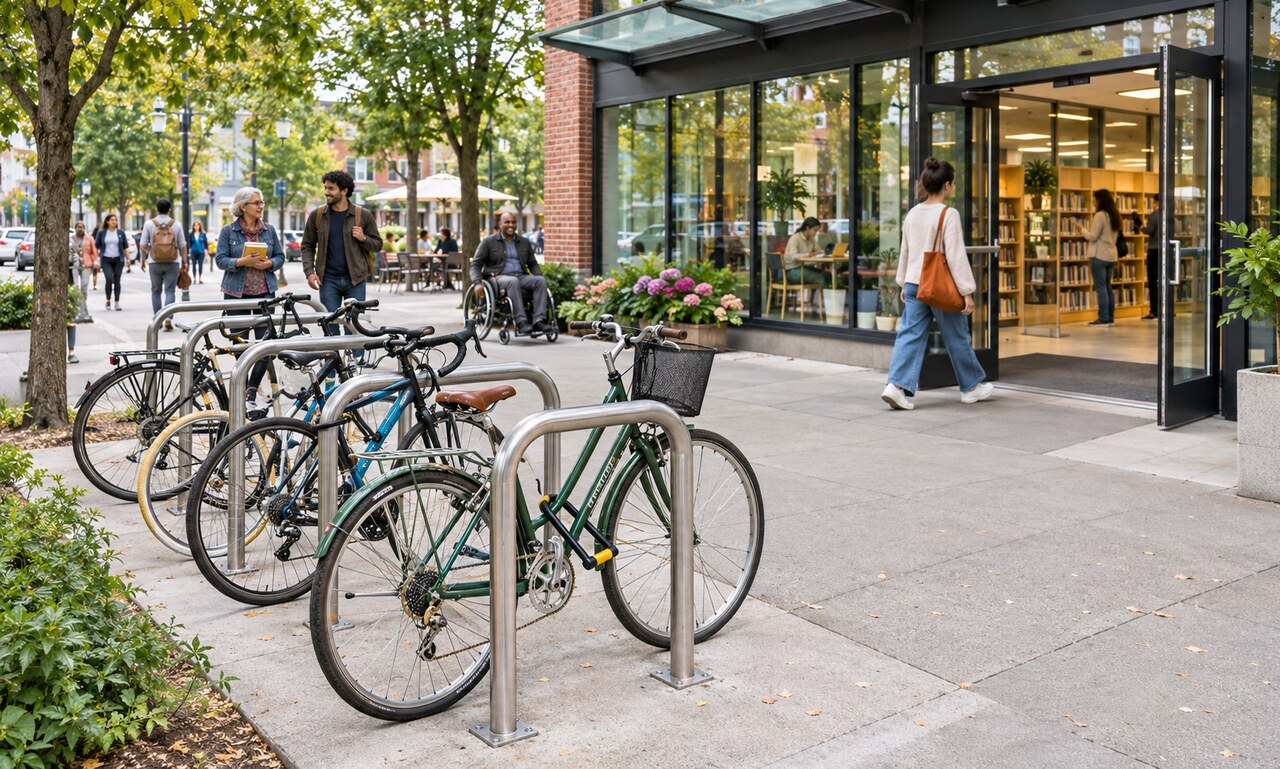
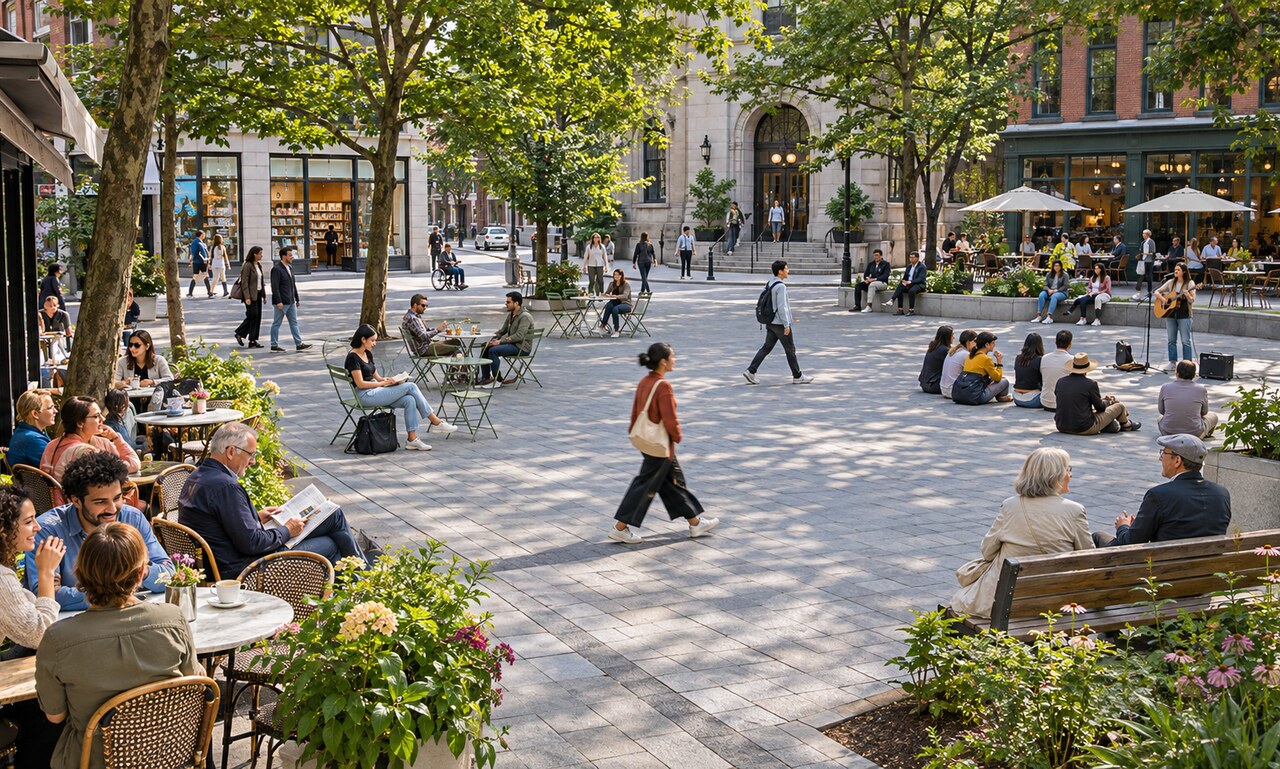
Doors, shopfronts, libraries, cafes and building entrances bring a steady flow of people to the perimeter. The edge offers shelter and something to look at, while the open center supports crossing, gathering and events.
Blank walls and wide traffic lanes weaken that relationship. A square feels more connected when surrounding buildings face it and ground-floor uses change throughout the day.
Choice makes staying easier
Some visitors want a bench with a back. Others prefer a step, movable chair, low wall or table. Seats in sun and shade support different seasons and times of day. Small groups need room to talk without occupying the only available place.
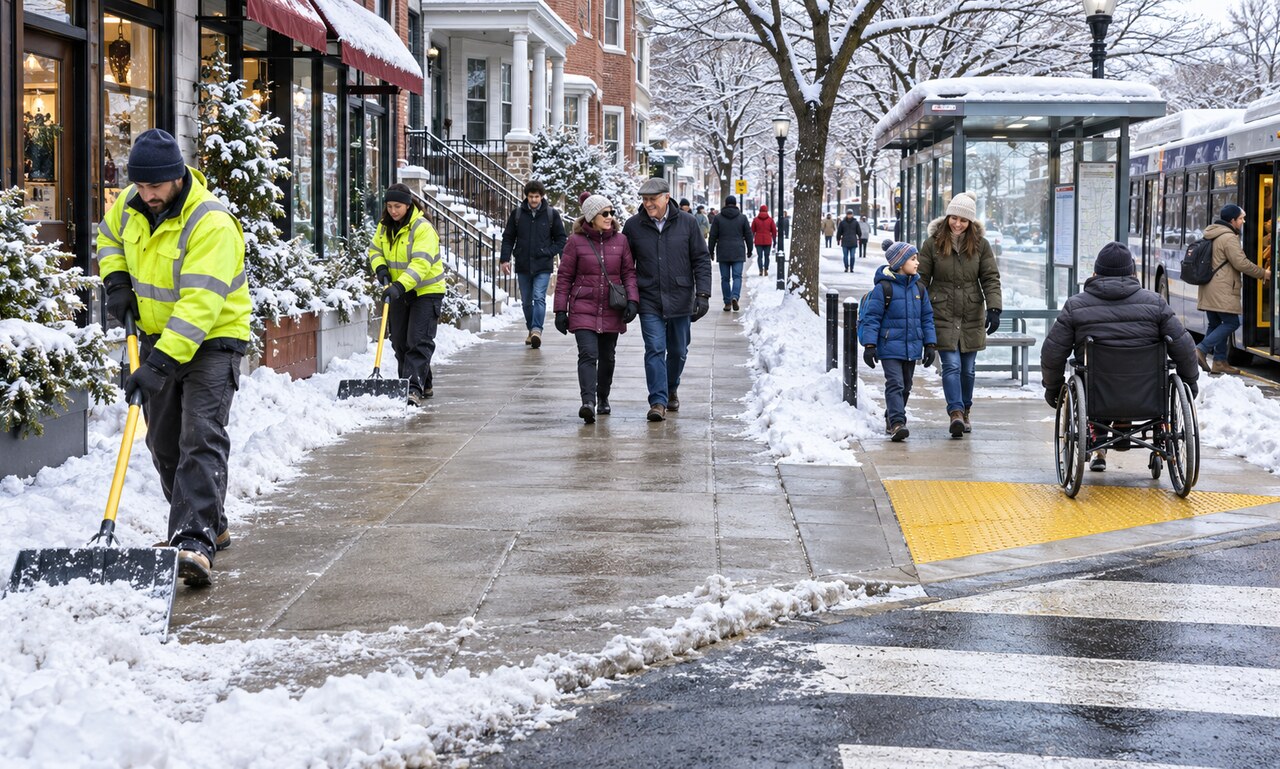
Comfort also includes wind protection, drinking water, toilets and a surface that works for mobility devices, strollers and rolling luggage.
Movement should pass through, not dominate
Useful routes across the square create natural observation and chance encounters. Paths to transit stops and nearby streets keep the space connected to daily travel. Bicycles and service vehicles need clear rules so movement does not overwhelm people who are staying.
A square completely separated from useful destinations may depend on special events. A square on everyday routes can remain active between them.
Programming should support ordinary life
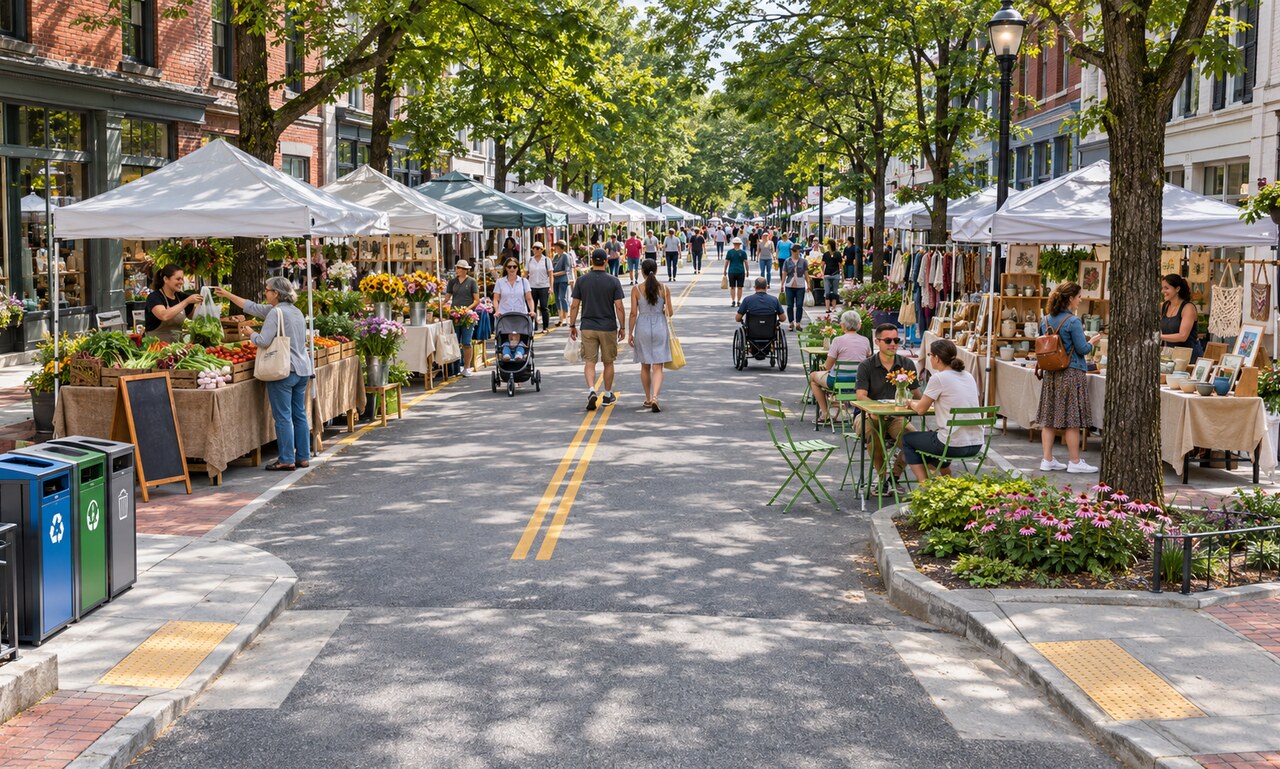
Markets, performances and festivals can introduce new visitors, but constant programming is not a substitute for good design. Informal uses—lunch, conversation, play, reading and waiting—are the foundation. Events work best when the space remains legible and welcoming afterward.
Public squares become active through accumulation rather than spectacle. An open doorway, a shaded seat and a clear path each make a small invitation. Together they create a place where arriving, passing and staying can happen at the same time.
READ NEXT