When a messaging service describes a conversation as end-to-end encrypted, it is making a specific promise. The message is transformed on the sender's device and should be readable again only on the intended recipient's device.
The servers that move the message can handle encrypted data without holding the key needed to understand its contents.
The endpoints hold the important keys
Encryption converts readable information into ciphertext using mathematical keys. In an end-to-end system, those keys are controlled by the communicating devices rather than the service carrying the message. A well-designed system also creates new temporary keys over time so that exposure of one key does not automatically reveal an entire history.
This protects text, calls, photographs or files while they cross networks and pass through service infrastructure, depending on what the application includes in its design.
Content and metadata are different
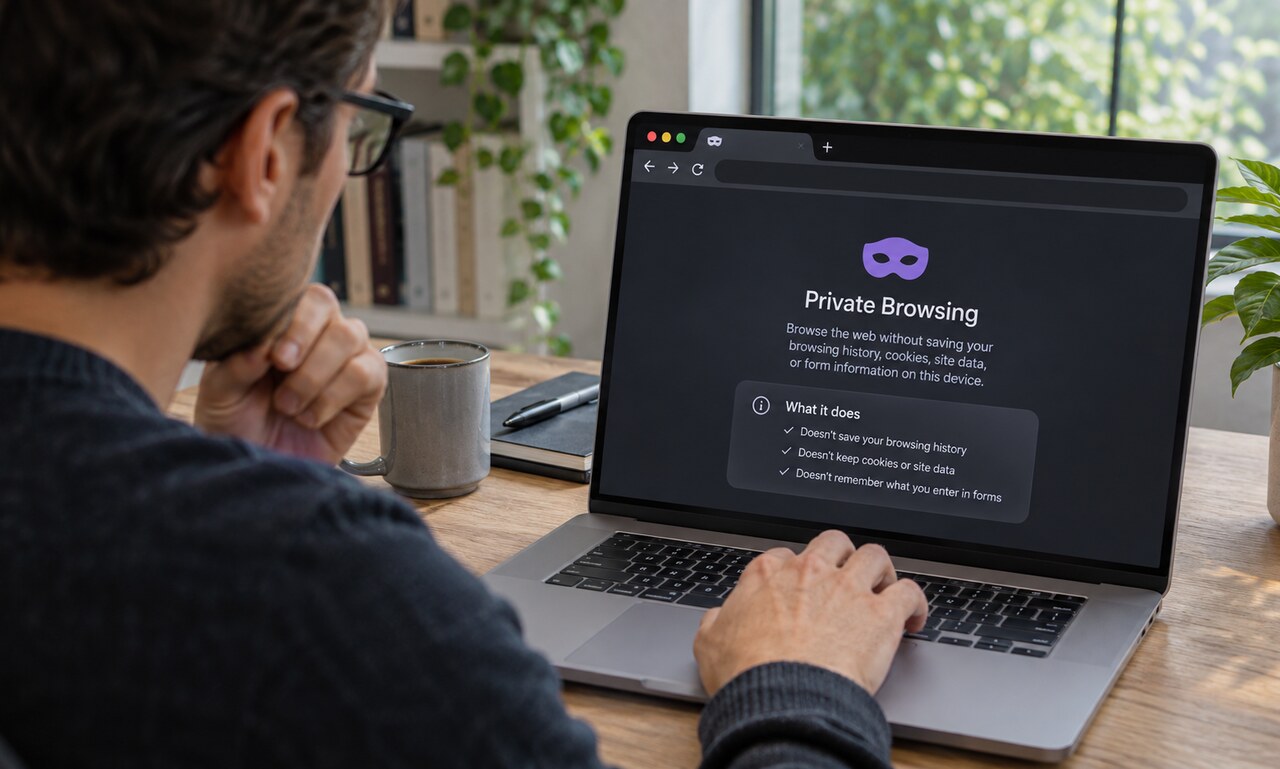
The contents may be protected while some surrounding information remains visible. A service may still know that one account contacted another, when the exchange occurred, which device connected or how much data moved. This metadata can be necessary to deliver the service and may reveal patterns even without showing the conversation itself.
Different applications retain different records, so the encryption label alone does not describe the entire privacy policy.
The ends can still be vulnerable
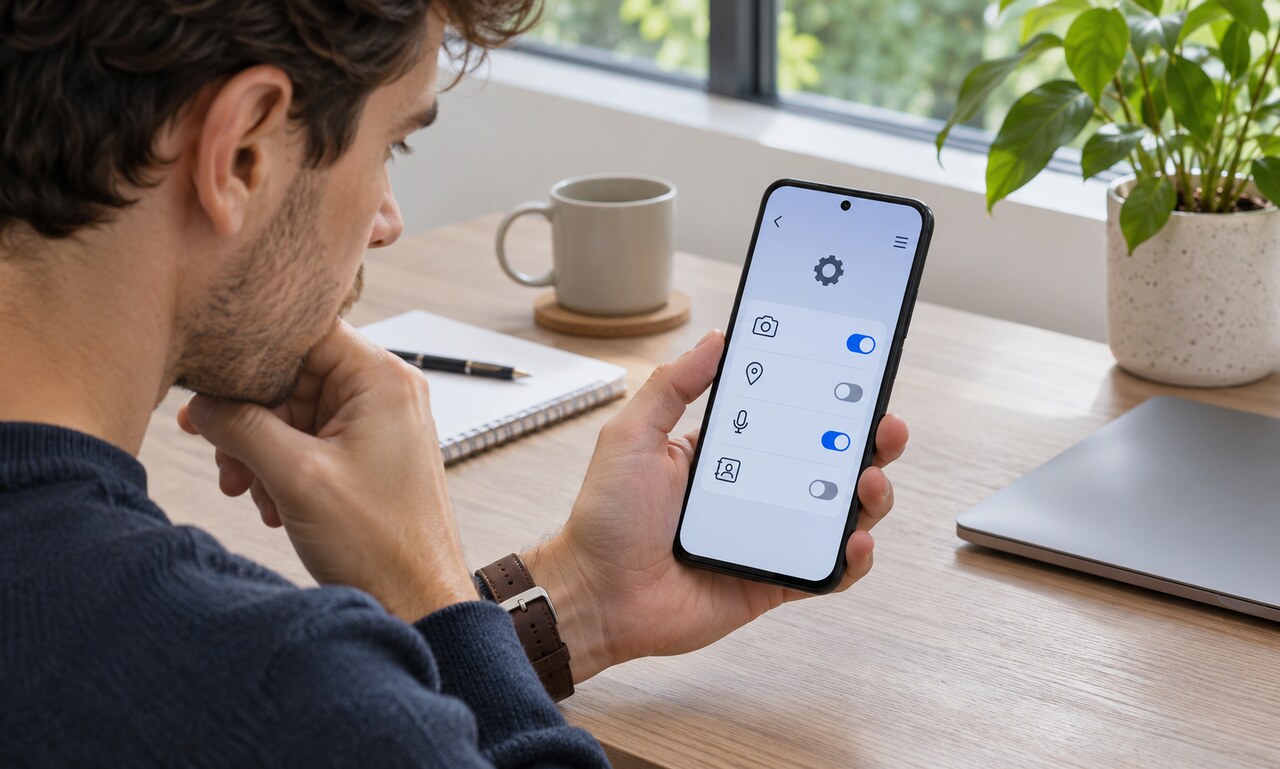
Encryption cannot prevent someone from reading an unlocked screen, seeing a notification preview or gaining control of a device. A recipient can take a screenshot, copy a message or share a file. Cloud backups may also follow different security rules from the live conversation.
Account recovery is another important detail. A system that can restore every message through a simple password reset may store keys or backups in a form that changes the original security model.
Verification builds confidence
Many services offer safety numbers, QR codes or other ways to confirm that a conversation is connected to the expected devices. This step is most useful when identity matters greatly and the people can compare the code through a separate channel.
End-to-end encryption is a powerful protection for message content in transit and on service servers. It is not anonymity, not protection from a compromised phone and not a guarantee that the other participant will keep a secret. Understanding that boundary makes the promise more useful, not less.
READ NEXT