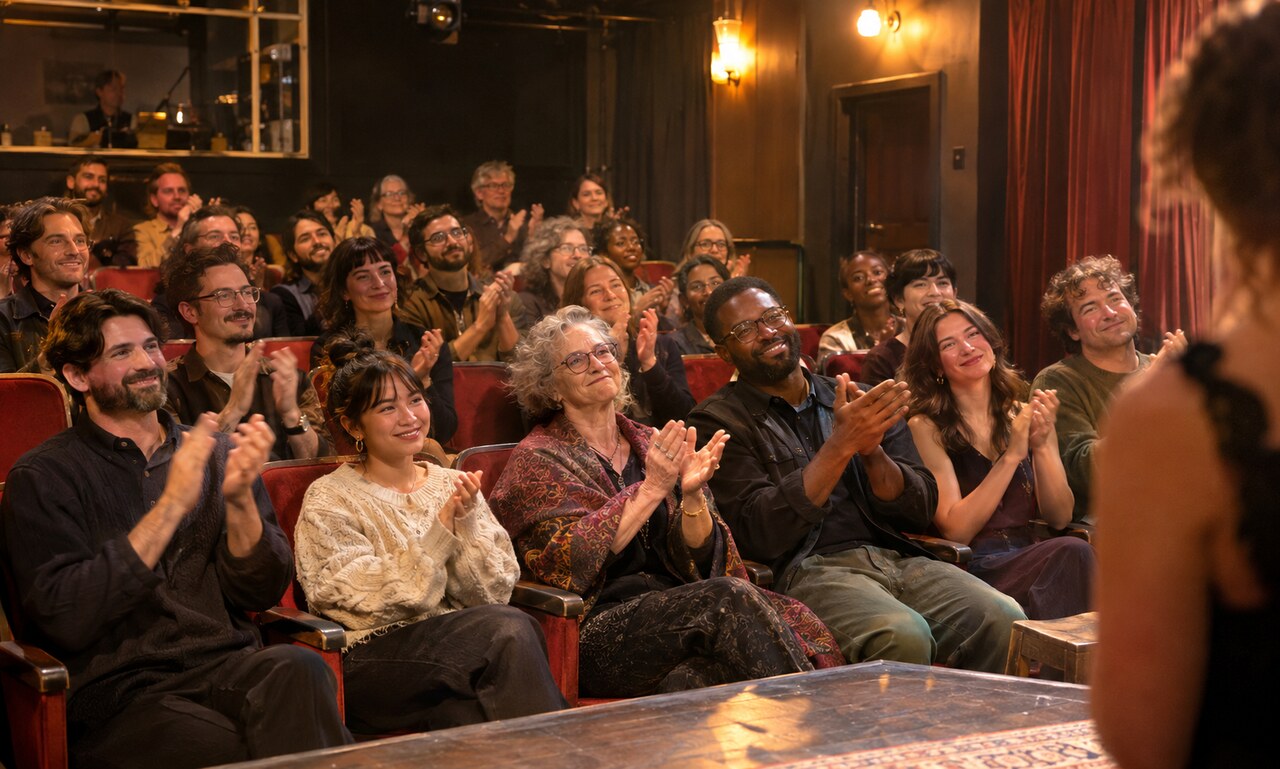
Applause seems simple: hands meet, sound fills the room and performers understand that an audience has responded. Yet the same gesture can serve several purposes during a concert, play, dance work or public reading.
It can welcome, encourage, interrupt, release tension and turn a room of individuals into a temporary group.
The audience becomes audible
Most of a performance asks the audience to listen in relative quiet. Applause reverses that direction. The people onstage hear the room answer, and the scale, timing and character of that answer carry information.
A quick burst after a difficult passage feels different from a long ovation at the end. Scattered clapping may signal recognition before the rest of the room joins. Rhythm can emerge when people begin to coordinate without instruction.
Timing belongs to local custom
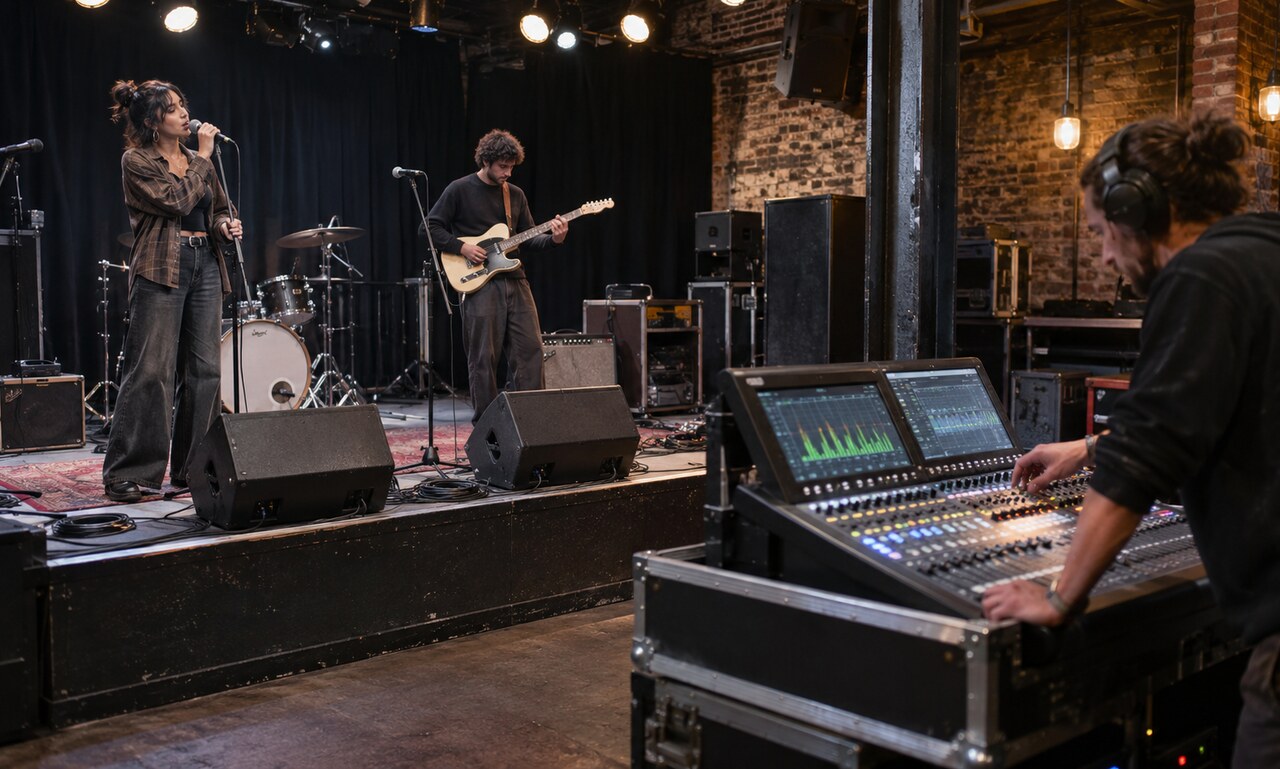
Different art forms and communities have different expectations. Some classical audiences wait until a complete work ends, while jazz listeners often applaud a solo. Theater applause may follow an entrance, a line or a scene change. At a small music venue, the response can become part of the artist's conversation between songs.
Knowing the custom can help a new audience member feel at ease, but live rooms are not governed by one universal rule. Genuine response sometimes arrives in an unexpected place.
Performers feel the room shift
Applause can restore energy after a demanding section. It gives performers a moment to breathe and confirms that attention is still present. A strong response may lengthen a bow, invite an encore or change the confidence carried into the next piece.
The absence of applause is not always rejection. Silence can reflect concentration, uncertainty or a work that deliberately leaves no easy place to respond.
A collective ending
At the close of a show, applause marks the return from the imagined world of the performance. Performers step forward as themselves, technicians may be acknowledged and the audience recognizes the work that made the event possible.
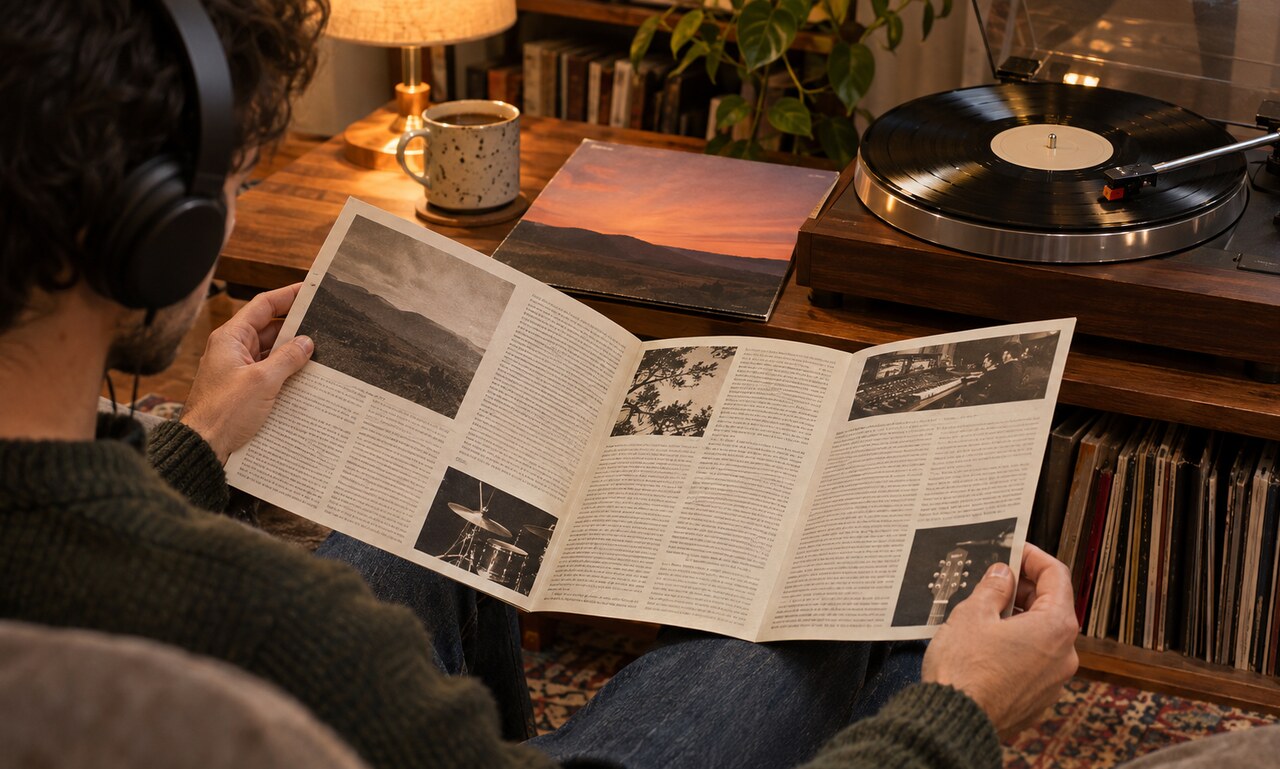
Recorded entertainment can be replayed without anyone knowing. A live performance depends on shared time, and applause makes that shared presence unmistakable. It is the sound of the room realizing that what just happened will not happen in exactly the same way again.
READ NEXT