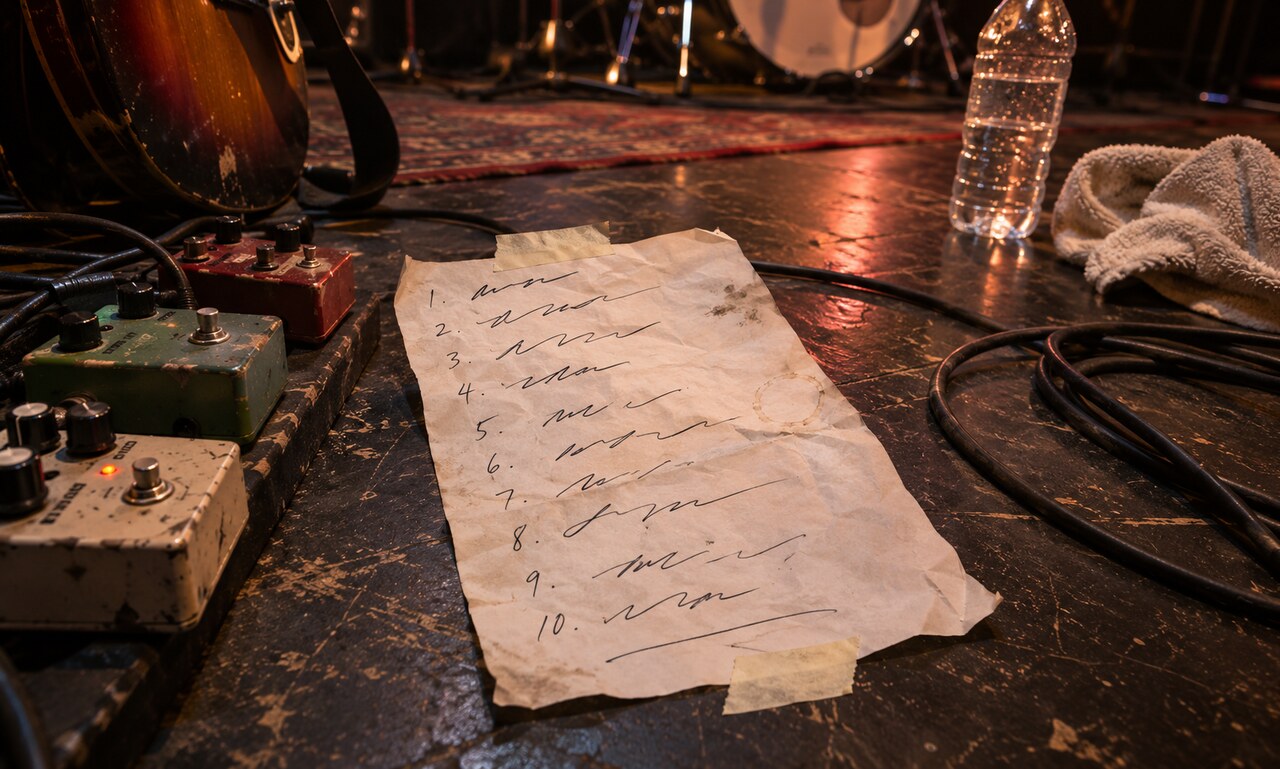
A setlist begins as a practical object. It tells musicians what comes next, reminds a lighting operator when the mood will change and helps a crew prepare instruments between songs. By the end of the night, the same page may be creased, marked with footprints and changed in ink.
That wear turns a simple running order into a record of performance.
Sequence creates the shape of the night
A concert is not only a group of songs. The order determines how energy rises, where the audience can breathe and when an unfamiliar piece has the best chance to be heard. An opening song establishes the room. A quiet middle section can reset attention. The final choices decide what feeling follows people outside.
Writing the order forces performers to think about transitions as well as individual tracks. Tuning changes, instrument swaps and spoken introductions all affect the pace.
The plan remains open to change
Live music responds to the room. A band may extend a song when the audience is engaged, skip a difficult transition or bring a planned encore forward. Handwritten arrows, crossed-out titles and last-minute additions show where the performance departed from rehearsal.
Those changes are not necessarily mistakes. They can reveal the judgment that makes a live show different from playing a recording in public.
A small object carries collective work
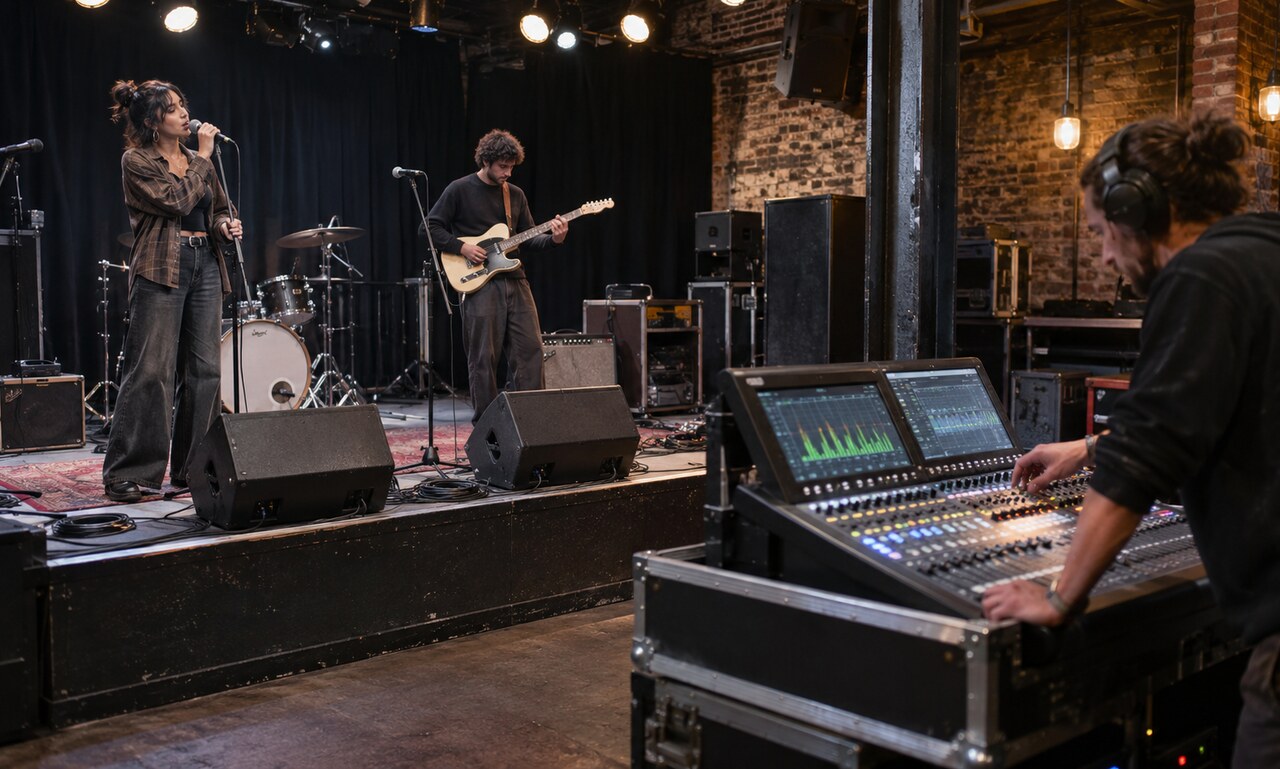
The page may be written by one person, but it coordinates many people. Musicians, stage managers, sound engineers and lighting crews use the sequence to make their separate tasks meet at the right moment. Clear notes matter most when the stage is dark and time is short.
For touring performers, setlists also trace how a show develops. Comparing pages from different dates can show songs moving position, new material entering and arrangements becoming more confident.
After the final note
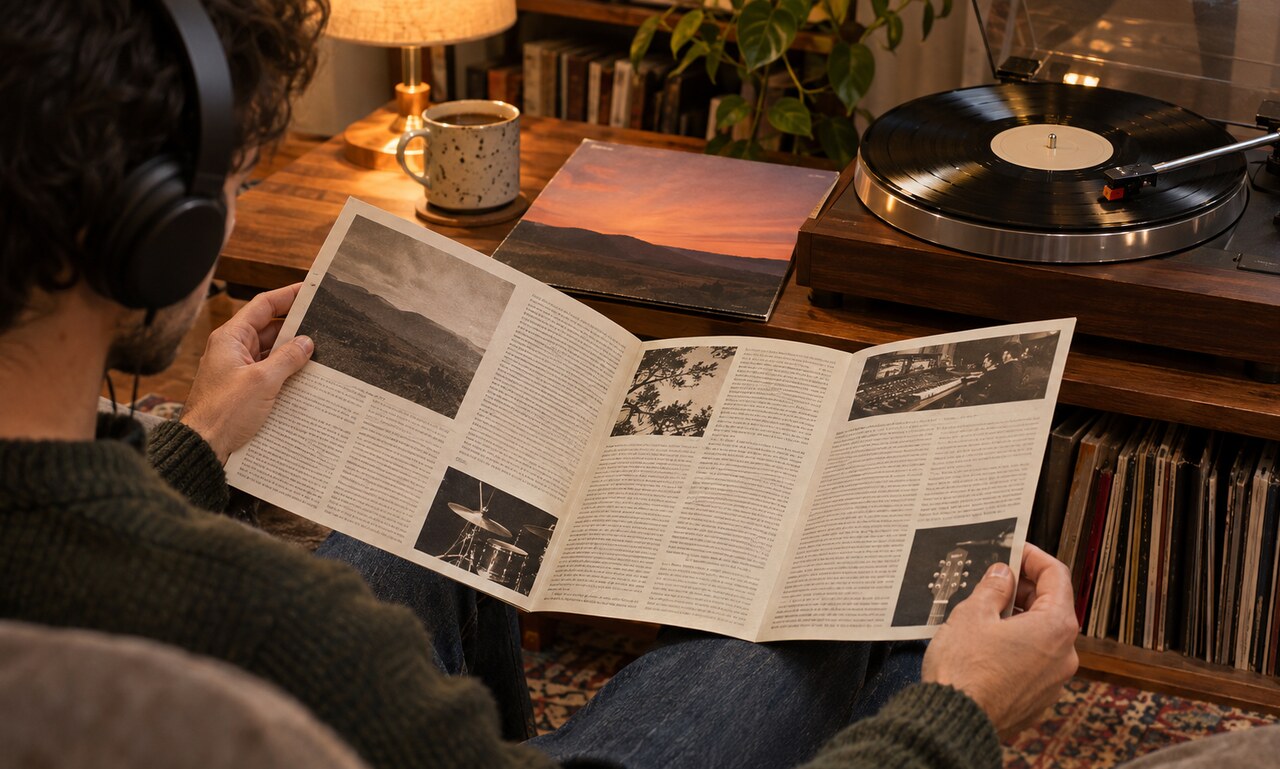
Fans often value setlists because they are tied to a specific place and date. Unlike mass-produced merchandise, a stage copy may carry tape, corrections and the marks of the venue itself. Its meaning comes from having been useful.
A setlist cannot reproduce the sound of the room. It preserves something quieter: the intended path through the performance and evidence of how reality altered it. On one sheet of paper, the concert survives as both plan and memory.
READ NEXT