A film score is composed to serve movement, dialogue and silence. It can tell an audience that danger is approaching, hold open a moment of wonder or give emotional weight to an image that would otherwise pass quickly.
Yet the most enduring soundtracks do more than support a story. Away from the cinema, they become music with a second life.
Music supplies invisible structure
A score helps shape time. A repeated theme can connect scenes separated by years, while a change in harmony can signal that a familiar place no longer feels safe. Even when viewers do not consciously notice those choices, the music helps them understand the film's architecture.
This is why a melody can call back an entire sequence long after its visual details have faded. The soundtrack preserves the emotional route through the story.
Listening without pictures changes the work
On its own, film music loses the timing imposed by editing and gains room to be heard as a composition. Details that sat behind dialogue become clearer: a low rhythmic figure, a shift in orchestration or a theme passed from one instrument to another.
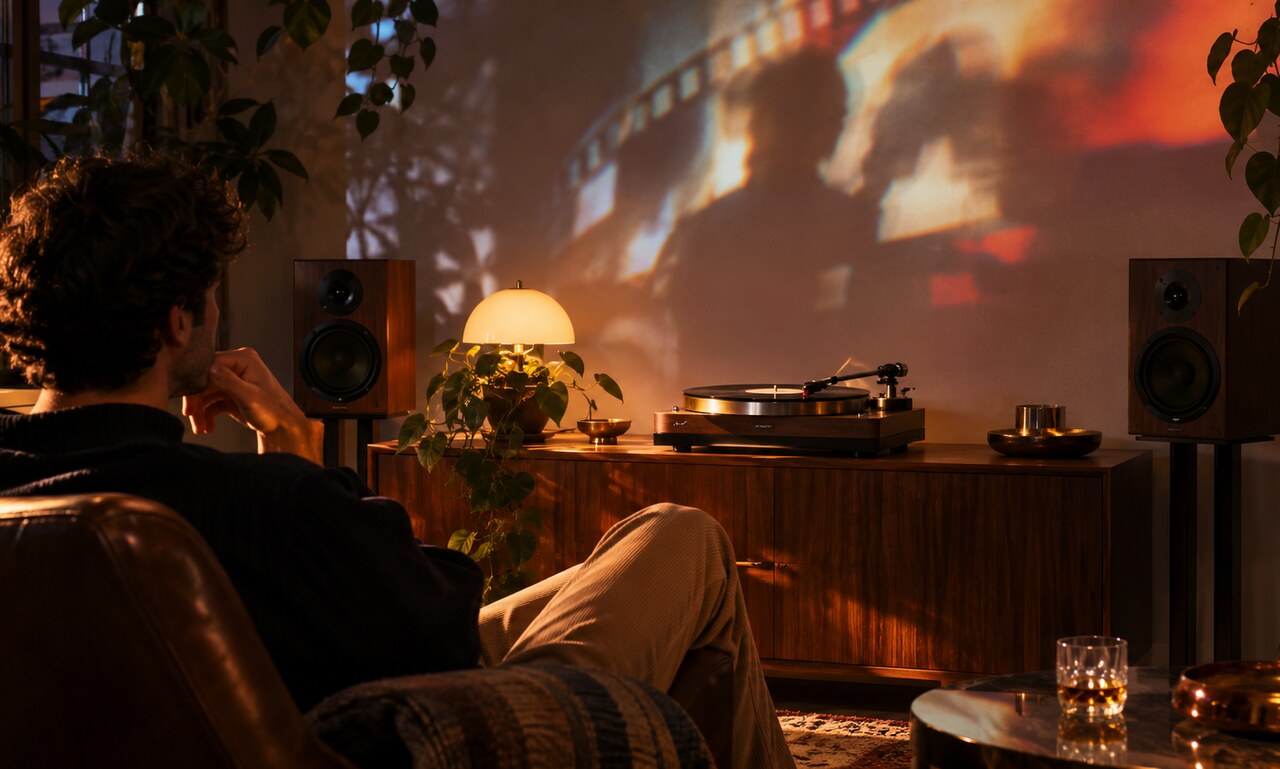
The listener also supplies new images. A piece once tied to a chase, a landscape or an intimate conversation may begin to accompany a train ride, an evening walk or focused work. Its original meaning remains, but it is no longer the only meaning.
Soundtracks create paths into other music
A memorable score can introduce listeners to orchestral writing, electronic texture, jazz improvisation or regional instruments they might not encounter elsewhere. Following the credits from a film can lead toward a composer's other work and toward the musicians, arrangers and recording engineers who gave the music its final shape.
The collaboration deserves attention
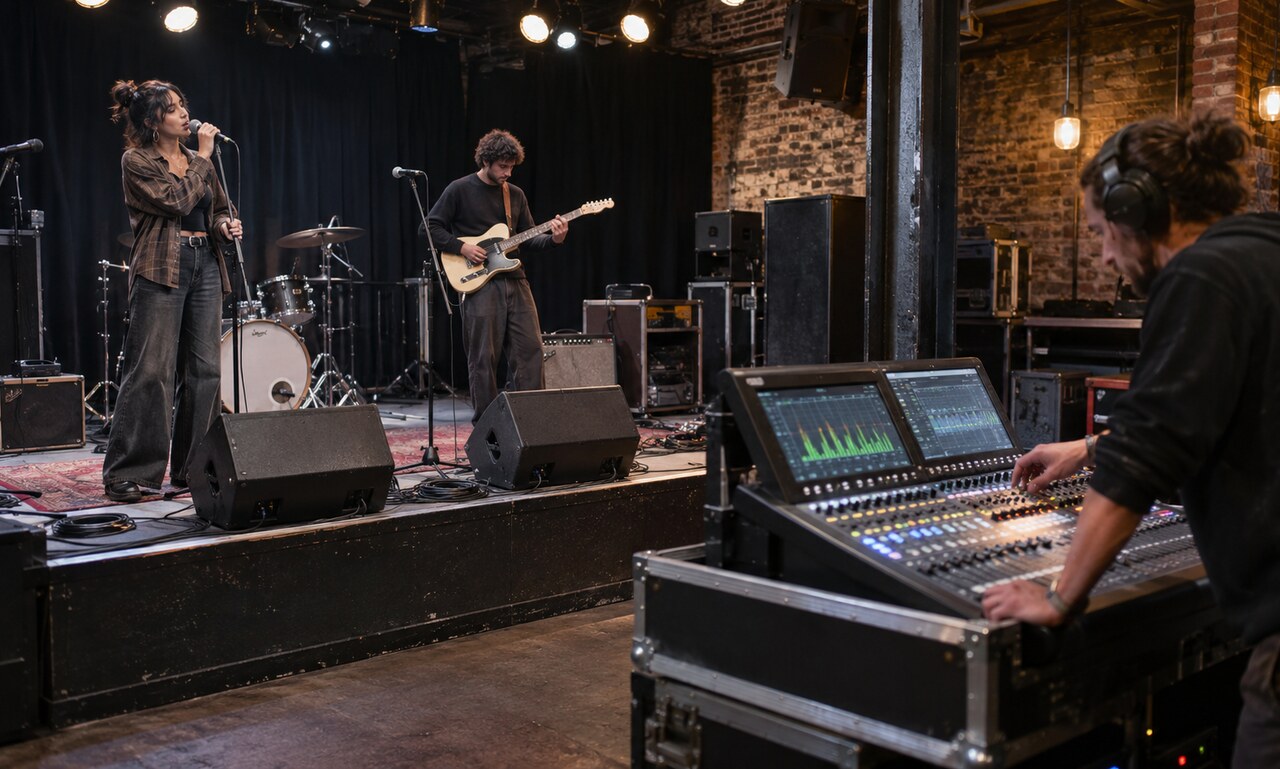
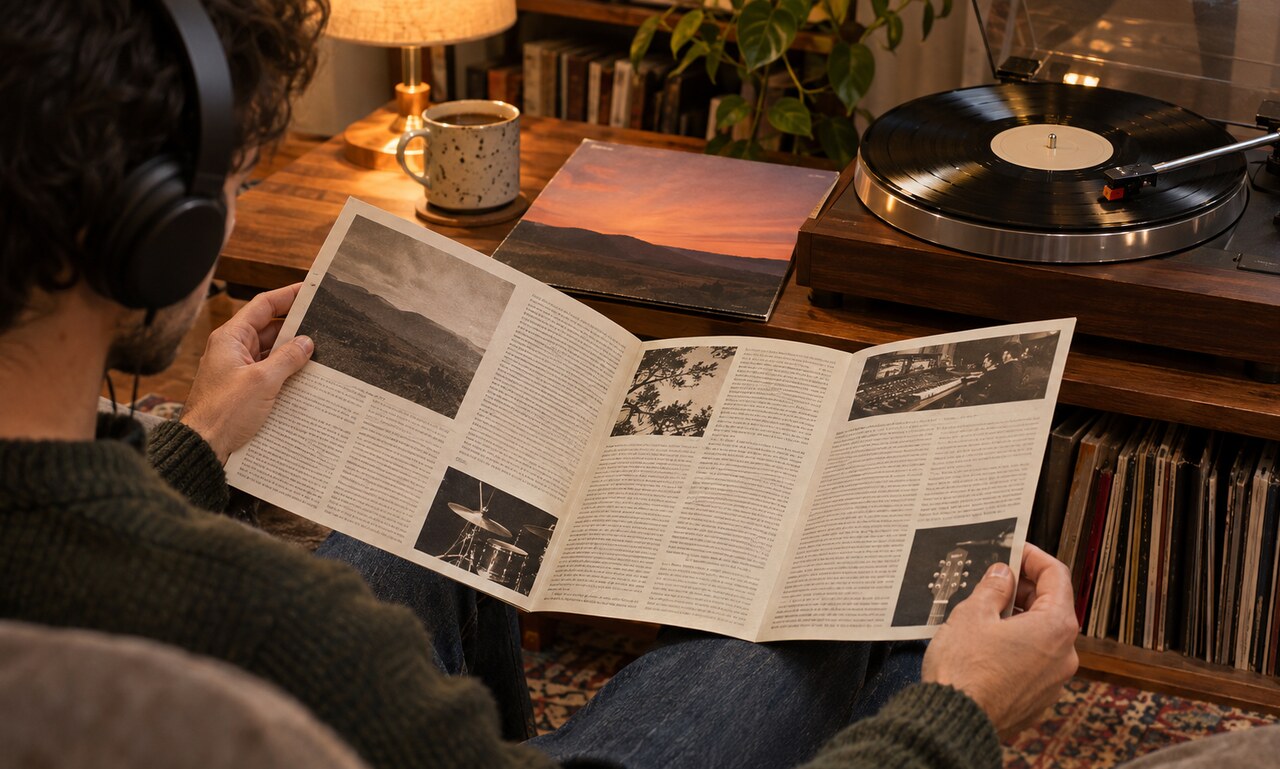
Film music is rarely made by one person alone. Directors, music supervisors, performers, orchestrators and sound teams all influence how a score meets the picture. Album editions can reveal that labor through complete credits and thoughtful notes.
A soundtrack begins in service to another art form, but it need not stay confined there. When the images disappear, the music can still hold atmosphere, memory and momentum. It becomes a place listeners can revisit, then gradually make their own.
READ NEXT